Why move here
Bali is one of the most popular nomad destinations in the world. The infrastructure — coworking, short-term housing, cafés with reliable power, a large international community — has matured faster here than almost anywhere in Southeast Asia. Seminyak has visible gay-friendly venues. Balinese Hindu culture is tolerant in ways that the national government is not.
The legal picture requires honest treatment. Homosexuality is not criminalized nationally in Indonesia — Bali is a Hindu-majority island, not subject to Aceh province’s Sharia-based law, and that distinction matters. Indonesia’s revised Criminal Code (KUHP), enacted in December 2022 and in force since 2 January 2026, criminalizes sex outside marriage and cohabitation between unmarried couples. Since same-sex couples cannot marry in Indonesia, any sexual relationship between them is exposed under these provisions in principle. Enforcement is complaint-based — a neighbor, parent, or family member must file — and the law’s specific application is still being tested in courts.
The national trajectory matters as background. A decade ago, Indonesia’s legal environment was moving toward tolerance. That reversed. The KUHP’s morality provisions, plus sustained anti-LGBTQ rhetoric from both political parties and religious organizations, mean the climate is deteriorating even as Bali’s tourist bubble stays relatively insulated. Bali’s lived reality and Indonesia’s national direction are pulling in opposite directions.
This profile describes the Bali most gay nomads experience — substantially more livable than the national legal picture suggests — while being straight about the risks you carry throughout.
Neighborhoods
Seminyak is Bali’s most established gay-friendly zone. The Ku De Ta / Potato Head end of the beach strip runs into the Seminyak Square area where several gay-friendly bars and beach clubs have operated for years. Villas and smaller guesthouses cater to international gay visitors. By regional standards, the social acceptance here is high; by Western standards, it is private rather than public.
Canggu has become the center of nomad life on Bali. Echo Beach and Batu Bolong roads have the highest concentration of coworking cafés, surf schools, and the kind of international food scene that runs heavily on Western dietary preferences. The gay scene is less visible here than in Seminyak but the international crowd is generally tolerant. Canggu is where most nomads base themselves.
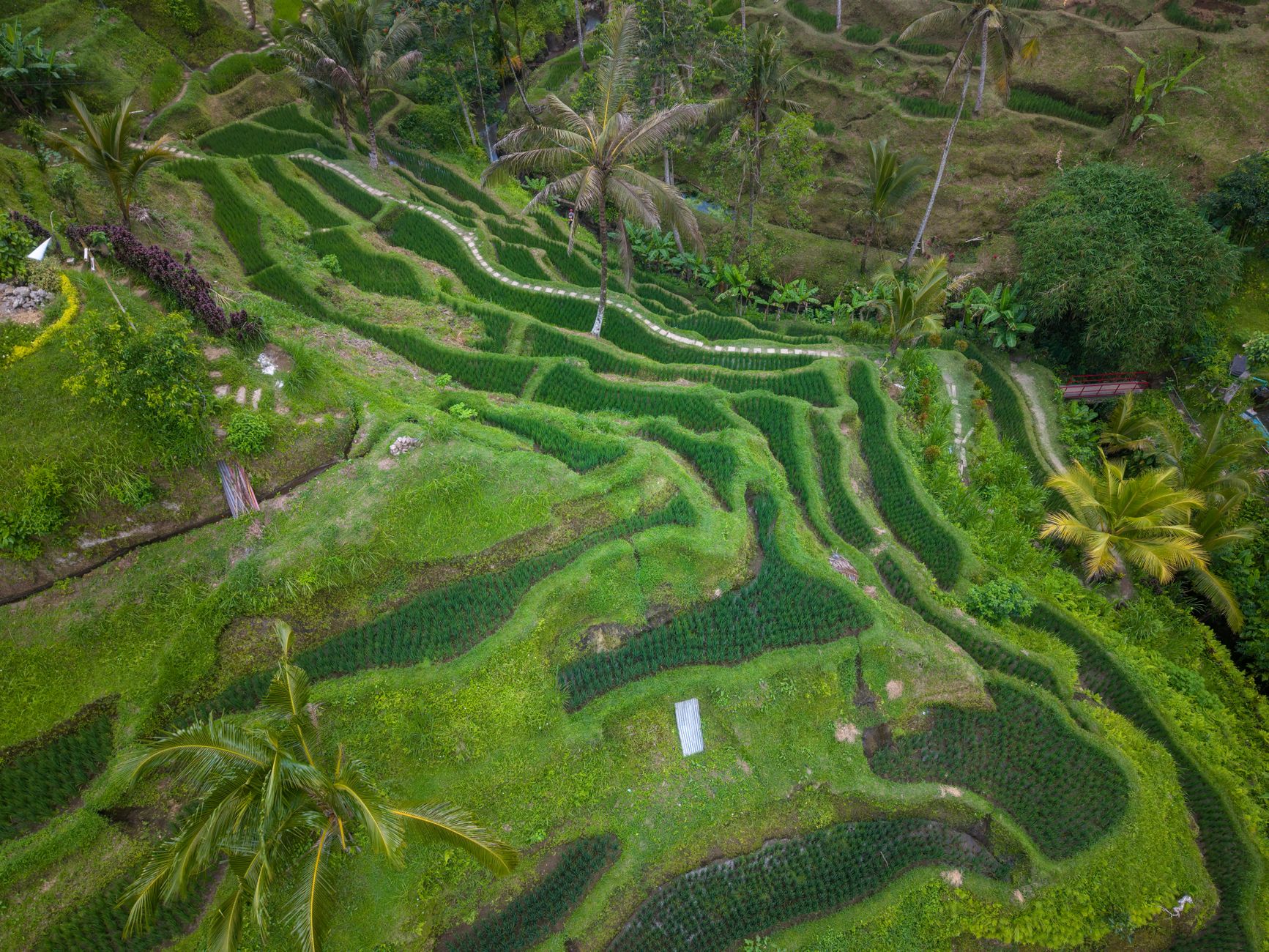
Ubud (inland, 1.5 hours from the coast) is Bali’s cultural and spiritual center — yoga retreats, rice terrace walks, artist studios, and a very different pace from the beach areas. The gay scene is minimal, but Ubud has a long history of attracting international visitors and a corresponding openness that is unusual for rural Indonesia. Some gay expats split time between Ubud and Seminyak.
Kuta and Legian are the original tourist centers — mass-market beach tourism, busier and cheaper than Seminyak. Less gay-specific nightlife now than in their peak years, but gay-friendly international venues still operate.
Denpasar (the provincial capital) is where most of Bali’s actual bureaucracy and long-term logistics happen — immigration offices, banks, clinics. It is not an expat residential base but you will visit it for visa business.
Best time to move/visit
Dry season (May–September) is the best time to be in Bali. Clear skies, lower humidity, surf conditions optimal on the west coast (Seminyak, Canggu), and the busiest period for the nomad community. This is also peak tourism, which raises prices for accommodation and creates traffic congestion on the main Canggu-Seminyak corridor.
Wet season (November–March) brings heavy afternoon rain, higher humidity, and flooding on some roads. The pace slows, prices drop 20–30%, and the crowd thins. Many nomads find the wet season Bali more livable — less traffic, cheaper villas, the same coworking infrastructure.
Nyepi (Balinese New Year): One day each year (date varies on the Saka calendar, usually March or April), the entire island observes complete silence and no movement — no cars, no light, no noise, airport closed. Foreigners are required to stay indoors for 24 hours. It is an extraordinary and disorienting experience if you are not expecting it. Plan around it.
Safety and acceptance
Bali’s general physical safety for tourists and expats is high — violent crime against foreigners is rare, and the tourist infrastructure is established enough that standard safety practices (don’t leave bags unattended, use reputable transport) are sufficient. Motorbike accidents are the primary cause of injury for expats; the traffic on narrow roads in Canggu is serious.
For gay people specifically, Bali’s tourist areas — particularly Seminyak and Canggu — function as a tolerant international bubble. Gay-friendly venues operate openly. Male couples are unlikely to face harassment in these areas. Balinese Hindu culture has historically been more tolerant toward different expressions of identity than the national Javanese Muslim majority culture.
Outside the tourist bubble — in more rural parts of Bali, or in other Indonesian islands — the picture changes significantly. And the national legal trend (the KUHP morality provisions, increasing anti-LGBTQ raids in other Indonesian cities documented by HRW) is a background risk that affects how exposed you want to be.
The prudent approach in Bali: behave with the same discretion you would in the tourist areas (where visibility is fine), and be more conservative outside them. Public affection between male couples in Seminyak is generally tolerated; on a rural road in East Bali, it is not.
Legal status
Cost of living
Bali is affordable by Southeast Asian expat standards and extremely cheap by Western ones. Canggu has become more expensive since 2020 as nomad demand pushed villa prices up, but you can still run a comfortable mid-range setup for $1,600/month.
| Expense | USD / mo |
|---|---|
| Rent — villa or apartment, Canggu or Seminyak (1BR, monthly lease) | $700 |
| Groceries (local markets and Pepito or Bintang Supermarket) | $200 |
| Eating out (3–4×/week, mix of warungs and cafés) | $200 |
| Coworking space (monthly membership, e.g. Dojo or Outpost) | $150 |
| Motorbike rental (essential for getting around) | $80 |
| Utilities + internet (typically included in villa rent; fibre where separate) | $70 |
| Health insurance (expat plan; public Indonesian system not accessible) | $120 |
| Phone SIM + data (Telkomsel or XL Axiata) | $15 |
| Entertainment, leisure, beach clubs | $65 |
| Total | $1,600 |
Villa prices in Canggu for a good 1BR with a pool have roughly doubled since 2020 but remain well below comparable quality in Lisbon or Berlin. A monthly lease at IDR 11–13 million ($700–$850) is realistic in most of Canggu; short-term (weekly) rates run higher. Numbeo Denpasar/Bali data, June 2026.
Community and dating
Seminyak has the most visible gay scene in Bali and one of the more open ones in Southeast Asia. The area around the Seminyak beach strip has hosted gay-friendly and explicitly gay venues for years, catering to a heavily international crowd. Venue names and locations shift — openings and closings move faster than any print guide can track. Before arriving, check current listings via Grindr’s Explore function, local LGBTQ Facebook groups, and Instagram accounts for the Bali gay scene. The Seminyak strip remains the area to look; specific doors change.
Dating apps: Grindr is used widely in Bali, particularly in Canggu and Seminyak. Scruff has a smaller but active expat-oriented userbase. Given the KUHP legal context, photo discretion is normal — most users share faces in direct message rather than on the profile itself. App-based encounters happen in private (villa or hotel) settings as standard.
Community feel: The Canggu nomad community includes a visible gay cohort, but the community runs informally. No LGBTQ center, no organized social groups, no institutional infrastructure. The social fabric — coworking regulars, beach club crowds, WhatsApp chat circles — is how gay nomads find each other.
Indonesian gay community: A local Indonesian gay community exists in Bali but is mostly invisible to new arrivals. They navigate the national legal context with significant discretion, and social contact with international visitors happens primarily through apps and at international-facing venues, not in Indonesian-majority social spaces.
Settling in — life as a gay expat
The first weeks in Bali are logistically easy compared to most destinations on this list. Housing comes through Facebook groups (“Canggu Expats,” “Bali Expat Housing”) and local villa agents; a week of viewing gets you a good 1BR in Canggu or Seminyak at IDR 11–13 million/month ($700–850). Indonesian banks require a KITAS for a full account, so most nomads run on a Wise card and local cash for the first 180 days. A Telkomsel SIM at the airport for IDR 50,000–100,000 gives you immediate data coverage.
Making friends in Bali’s nomad scene is faster here than almost anywhere on this list. Dojo coworking, the beach clubs, and the WhatsApp group culture create constant casual introductions. The gay nomad cohort is visible and accessible — you will run into it within the first two weeks without particularly trying. The shared experience of navigating a legally ambiguous environment creates a kind of social cohesion that slower-moving cities don’t produce.
As a couple in Bali, the tourist zones — Seminyak and Canggu — allow more comfort than the national legal picture suggests. Public discretion is still the norm: hand-holding on Seminyak’s main strip will rarely provoke a reaction from the international crowd, but it can attract attention from Balinese locals or in less international spaces. Most gay couples in Bali read the environment and adjust accordingly. In rural Bali or non-tourist areas, the adjustment is significant.
The specific legal risk from the KUHP is real but complaint-based. In practice: a gay couple in a rented villa behaving privately faces very low exposure. The risk rises with visibility in public spaces and in any interaction with local Indonesians who might file a complaint. This is not equivalent to Dubai-level criminalization, but it is not a blank slate either. The law’s application is still being tested.
Out at work means out to the international nomad community, which is broadly fine. It does not extend to interactions with Balinese service staff or administrative contacts, where the standard is professional neutrality.
Who does not thrive here: gay nomads who need relationship infrastructure — partner visa, legal recognition, the ability to live openly as a couple in every context. Bali works well as a short to medium-term base where the tourist bubble provides cover. As a permanent home for a same-sex couple, the KUHP backdrop and the absence of any legal recognition makes it structurally precarious in ways that Tier 1 and 2 cities are not.
Work and connectivity
Bali has invested significantly in nomad infrastructure. Canggu now has some of the best coworking options in Southeast Asia.
Coworking: Dojo Bali (Batu Bolong, Canggu) is the best-known and longest-running digital nomad coworking space in Bali — fast fibre, good community programming, ergonomic setups. Outpost (multiple Bali locations), Tribal Bali (Canggu), and Hubud (Ubud) are strong alternatives. Monthly memberships run IDR 1.8–3.5 million ($115–225). Day passes are typically IDR 120,000–200,000 ($8–13).
Internet reliability: Fibre is available in most Canggu and Seminyak villas at reasonable speeds (50–100 Mbps typical). Power cuts are more frequent than in Bangkok or Lisbon; most nomads use coworking as their primary work environment for backup power and redundant connections.
Motorbike transport: A motorbike is effectively mandatory for getting around Bali’s narrow roads. Daily rentals run IDR 50,000–80,000 ($3–5); monthly rates are negotiated with local owners for IDR 400,000–700,000 ($25–45). Wear a helmet — Indonesian traffic law requires it and enforcement exists, plus the roads are genuinely hazardous.
For eSIM coverage across Indonesia and wider Asia travel: eSIM 7G covers 150+ countries and keeps your original number live for bank 2FA — use code 524JQTTA for 15% off.
Visa and how to move
Short stays: Most Western passport holders (US, UK, EU, Australia) receive a 30-day Visa on Arrival (VOA) at Ngurah Rai Airport, extendable once for another 30 days at the immigration office in Denpasar (total 60 days). Cost: IDR 500,000 (~$32) for the VOA; similar for the extension.
Social/Cultural Visa (B211A): The main entry point for nomads staying 2–6 months. Requires a local sponsor (easily obtained via visa agents in Bali; cost $50–100 for the service) and an initial 60-day period extendable up to 4 times (total 180 days in one entry). Many nomads cycle B211A entries. This is not officially a work visa, but it is widely used by remote workers.
Indonesia Second Home Visa (E33A): The long-stay visa launched in 2022 for 5 or 10 years. The financial requirement (IDR 2 billion / ~$125,000 deposited in an Indonesian bank) makes this inaccessible for most nomads, but it is the formal long-term residency option.
KITAS (Limited Stay Permit): Available via sponsorship from an Indonesian employer or investment entity. Not applicable for most independent nomads.
Practical reality: Most nomads in Bali run on B211A cycles with 6-month stays and a border run (to Singapore, Malaysia, or Australia) to reset. This is widely practiced and generally unproblematic, but it is not a formal work visa.
Banking: Indonesian banks (BCA, Mandiri, BNI) require a KITAS for a full account. Many nomads run on a Wise multi-currency account for international transfers and keep a small local cash or debit float: open a Wise account for free.
Accommodation: Bali’s villa rental market operates largely outside formal online platforms — local agents and Facebook groups (“Canggu Expats,” “Bali Expat Housing”) are the main channels. Airbnb lists properties but at significant premium over direct monthly rates. A 1-week site visit to negotiate monthly rates directly is the standard approach for most nomads staying 3+ months.