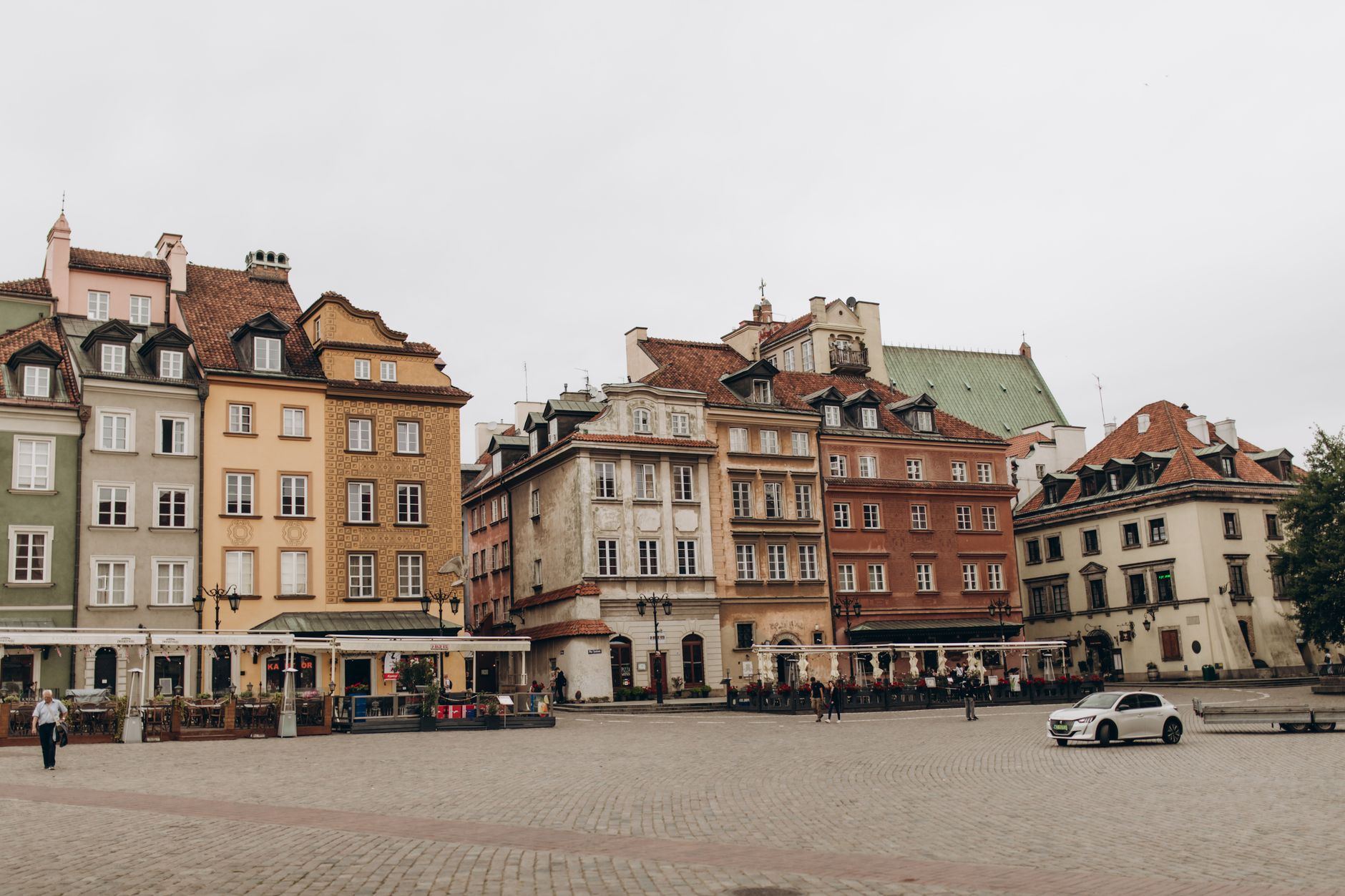
Why move here
Warsaw asks you to hold two contradictory facts at once. The city is genuinely gay-friendly: there is an active scene, Pride draws tens of thousands of people, bars in the Śródmieście district are safe and open, and day-to-day life for gay residents runs normally by any European capital standard. The country surrounding it is another matter. Poland has no same-sex marriage, no civil unions, and a recent political history that made its treatment of LGBTQ rights a European flashpoint. Both facts are true simultaneously, and you need both.
The city-vs-country gap is unusually sharp for an EU member. Warsaw Mayor Rafał Trzaskowski has been pro-LGBTQ throughout his tenure; the city registered Poland’s first transcribed same-sex marriage certificate in May 2026 following a CJEU ruling. The national Sejm passed a limited cohabitation rights bill in May 2026, but President Karol Nawrocki has publicly committed to vetoing it, and the legislation’s fate as of mid-2026 is unresolved. Same-sex couples in Warsaw live in a liberal city inside a conservative national framework. What the city offers, the country has not confirmed.
For nomads without Polish citizenship and no intention of depending on Polish family law, this gap matters less in practice. Warsaw’s quality of life, cost structure (~$2,000/month for a mid-range setup), geographic centrality within the EU, and city-level openness make it a real option. Go in knowing what the national legal context offers, which is currently little.
Neighborhoods
Śródmieście (the City Centre) is the main area for gay life and the district where most expats live. The stretch around Plac Zbawiciela — “Saviour Square” — is the informal gay hub: café-bars that cater to queer regulars, a Pride gathering point, and relaxed mixed-gay outdoor seating in the warmer months. Rents here are higher than Warsaw’s outer districts but still significantly below Berlin or Amsterdam.
Powiśle (below the city center, along the Vistula River) has become a creative and bar-heavy district with younger residents. It’s close to the center, walkable, and has good café infrastructure for working.
Praga (the right bank of the Vistula, across from the center) is Warsaw’s gentrifying industrial district. Rents are lower; the food and bar scene is improving quickly; it’s a short tram or metro ride from Śródmieście.
Mokotów and Żoliborz are more residential and suburban in character — quieter, slightly lower rents than the center, preferred by long-term expats who want space rather than nightlife proximity.
Best time to move/visit
Moving: April through October is the most livable window. Warsaw winters are cold and grey — temperatures drop below -10°C in January and February, and the short days between November and March can be draining. Spring and fall are mild and the city is at its most pleasant.
Visiting: May through September. The summer (June–August) is warm, outdoor café life runs at full capacity, and the Vistula riverbanks become the social center of the city.
Pride: Warsaw Pride (Parada Równości) is typically held in June and is the largest Pride event in Central and Eastern Europe — it drew over 80,000 people in recent years. The march through Śródmieście is well-organized and heavily attended by both Poles and international visitors. The city provides municipal support; the national government’s relationship to the event has historically been more distant.
Safety and acceptance
Warsaw is safe by European standards. Violent crime is low; street harassment against tourists and expats is uncommon. Petty theft in crowded transit areas and tourist spots is the main hazard.
In the city’s central districts, gay people move freely. Holding hands near Plac Zbawiciela or on Nowy Świat draws no attention. Gay bars and clubs in the center operate without harassment, and Warsaw’s police force has received LGBTQ sensitivity training — a meaningful difference from practice in parts of the country.
The relevant caveat is national, not municipal. Poland’s “LGBT-Free Zones” — declared by some municipalities between 2019 and 2022, most since rescinded after EU pressure and funding conditions — created a documented atmosphere of tension that Warsaw largely avoided but that shaped the national climate. In Warsaw’s center and established gay spaces, that tension is background context. In rural Poland or smaller conservative towns, it is not background: it is the environment.
Legal status
Cost of living
Warsaw is considerably cheaper than Berlin, Amsterdam, or Paris for a comparable city-center quality of life. Rents have risen since 2020 but remain well below Western European capitals. The numbers below reflect a mid-range nomad setup — central one-bedroom, coworking, eating out regularly.
| Expense | USD / mo |
|---|---|
| Rent — 1BR apartment, Śródmieście or Powiśle (furnished) | $1,000 |
| Groceries (Biedronka and Żabka for basics, Piotr i Paweł for western brands) | $250 |
| Eating out (3–4×/week, cafés and restaurants) | $200 |
| Coworking space (monthly membership) | $150 |
| Transport (monthly ZTM public transit card) | $50 |
| Utilities + internet (usually separate from rent in Warsaw) | $120 |
| Health insurance (private expat plan or NFZ contribution if eligible) | $120 |
| Phone SIM + data (Play or T-Mobile Poland) | $20 |
| Entertainment, nightlife, leisure | $90 |
| Total | $2,000 |
Rent is the biggest variable. A furnished one-bedroom near Plac Zbawiciela runs 4,000–5,500 PLN ($1,000–$1,380)/month. Praga or Mokotów cuts that by 20–30% with a short transit commute. Numbeo Warsaw data, June 2026.
Community and dating
Warsaw’s gay scene is centered on Śródmieście and has been running long enough to have real institutions behind it.
Bars and clubs: The area around Plac Zbawiciela has several gay-friendly and explicitly gay venues, including bars that have held regular queer nights for years. Specific venue names change — openings and closings happen on a short cycle — so check current listings via Grindr’s Explore, local LGBTQ social media, or Lambda Warszawa’s event calendar before you go. Club nights with a queer focus also rotate through Praga district venues on weekends.
Community organizations: Lambda Warszawa (lambdawarszawa.org) has operated since 1997 and runs support groups, legal advice, and social events. Campaign Against Homophobia (KPH) is Poland’s main LGBTQ rights organization, based in Warsaw, and runs regular community programs and events.
Dating apps: Grindr, Scruff, and Hornet all have active Warsaw userbases. Polish users cluster on Grindr; expats and travelers favor Scruff and Hornet. Location-based search in the center returns results quickly.
Expat integration: Warsaw is a hub for tech companies, finance, and outsourced EU operations, and the English-speaking expat community is large. The queer slice of that community overlaps with the Polish gay scene at the same bars and events — social integration here is better than in cities where expats and locals orbit separate spaces.
Settling in — life as a gay expat
The first month in Warsaw involves a lot of paperwork. As a non-EU national, getting your Temporary Residence Permit (pobyt czasowy) takes 2–4 months from application, meaning you are living on your Schengen 90-day allowance while waiting. EU citizens register at the voivod office and are done. For everyone else: have your documentation organized early, and expect administrative friction that has nothing to do with your sexual orientation and everything to do with Polish bureaucracy.
Housing as a gay couple is a non-issue in the center. Landlords advertising on OLX and Otodom are not screening tenants by sexuality, and no one is asking. Two men or two women co-signing a lease in Śródmieście is unremarkable. You may encounter a religious landlord with reservations — this is a possibility in any Polish city — but it is uncommon in the center and easy to navigate by moving on.
Making friends in Warsaw requires getting into Polish social networks, which is harder than it sounds. The English-speaking expat community is large and accessible, but it turns over regularly, heavy on two-year postings. The Polish gay community is warm once you get there, and Lambda Warszawa events are a genuine entry point. Basic Polish is not required for gay social life, but it earns you immediate goodwill.
As a couple, Warsaw’s center is comfortable. Hand-holding near Plac Zbawiciela is routine. The further you travel from Śródmieście — into suburban residential areas or on train journeys through the country — the more the national conservative baseline reasserts itself. This is less about individual incidents and more about reading the room in places where Warsaw’s liberal atmosphere doesn’t travel with you.
Out at work depends entirely on the employer. In Warsaw offices of international tech or finance firms, being out is normal. In Polish-domestic companies, it varies significantly by team, industry, and management. Most gay expats in locally-embedded roles calibrate their visibility rather than assuming the Warsaw city vibe extends to every workplace.
What newcomers underestimate: the winter. Between November and March, Warsaw gets cold, grey, and short on daylight. This compresses social life indoors and tests anyone who came expecting a European capital with year-round outdoor energy. Plan to arrive in spring or summer and give yourself time to build social anchors before the dark months hit.
Work and connectivity
Warsaw is well-served for remote work. Fibre internet is standard in centrally located apartments — speeds of 200–600 Mbps at 50–80 PLN ($13–$20)/month. WeWork, Business Link, and local chains like Spaces and Startup Hub Warsaw operate in the center. Monthly hot desks start around 500–700 PLN ($125–$175); private desks run 900–1,500 PLN ($225–$375). The city has reliable metro, tram, and bus coverage, and most coworking spaces are within 3–4 stops of the center.
Café culture in Warsaw has improved substantially since 2020. Powiśle and Śródmieście have the highest density of laptop-friendly cafés. Most run fast WiFi; power outlets are common in newer spaces.
Warsaw is an EU member in full Schengen, which means travel flexibility across 26 countries without border checks. For connectivity across EU and non-EU travel, an eSIM covering multiple countries saves significantly over roaming fees: eSIM 7G covers 150+ countries and keeps your original number live for bank 2FA — use code 524JQTTA for 15% off.
Visa and how to move
EU citizens: Full freedom of movement. Live, work, and reside in Poland indefinitely. Register your EU residency at the local voivod office (urzad wojewódzki) for stays beyond 3 months.
Non-EU nationals (US, UK, Canada, Australia, etc.): Citizens of most Western countries enter Poland and the Schengen Area visa-free for 90 days within any 180-day period. This covers initial scouting.
Longer stays: Poland does not have a dedicated digital nomad visa. Options for non-EU remote workers:
- Polish temporary residence permit (pobyt czasowy): Apply at the voivod office. Requires proof of accommodation, income sufficient to support yourself, and health insurance. Self-employment permits require registering a Polish business entity, which is complex. The process takes 2–4 months; allow for bureaucratic friction.
- EU Blue Card: For high-skill employed workers with a Polish employer — not typically applicable to independent nomads.
- For EU citizens: No permit required; just register.
Given Warsaw’s tech sector, some nomads transition from freelance remote work to employed positions at Polish branches of EU or US companies — a route that simplifies visa logistics.
Bank account and finances: MBANK, ING Bank Śląski, and PKO Bank Polski are all accessible to foreign residents. Opening an account typically requires a Polish address and a residence permit (or EU ID). For the period before you have a local account, a Wise multi-currency account handles PLN, EUR, and USD without conversion fees: open a Wise account for free.
Finding accommodation: OLX.pl and Otodom.pl are the main Polish rental listing platforms. Facebook groups like “Warsaw Expat Housing” are active. Furnished monthly rentals in the center are available but supply is tight — budget 2–3 weeks and multiple viewings to find a good apartment at a fair price.